Turkey’s New Tobacco Bill Draft Would Cover E-Cigarettes and Heated Tobacco Products

Apr.13
Turkey’s New Tobacco Bill Draft Would Cover E-Cigarettes and Heated Tobacco Products
A Turkey’s draft would impose major limits on the use of tobacco products in public buildings, educational and healthcare institutions, children’s areas, and outdoor events, while setting a 2040 target for a complete ban on the production, sale, and consumption of tobacco products. The draft also broadens the definition of tobacco products to include e-cigarettes, heated tobacco products, and all nicotine-containing systems.

Key Takeaways


  • A draft tobacco law cited by Yeni Şafak proposes a full ban on the production, sale, and consumption of tobacco products by 2040.
  • The draft would significantly restrict tobacco use in public buildings, educational institutions, healthcare institutions, children’s areas, and outdoor events.
  • Restaurants and similar venues would be allowed to permit smoking only in designated areas that do not exceed 10.00% of the premises and are no larger than 20 square meters.
  • The draft would expand the definition of tobacco products to include e-cigarettes, heated tobacco products, and all nicotine-containing systems.
  • The proposal would also require tobacco products to be stored in closed cabinets out of public view and sold through electronic systems with mandatory age verification.


2Firsts, April 13, 2026 


According to Yeni Şafak, a draft law containing broad restrictions on tobacco use has entered public discussion in Turkey. The proposal would ban or sharply restrict tobacco use in multiple settings and sets a 2040 target for the complete phaseout of tobacco product production, sales, and consumption.


The draft would expand smoking restrictions in public places


According to the report, the draft would significantly ban or restrict the use of tobacco products in public buildings, educational institutions, healthcare institutions, children’s areas, and outdoor events. In food and beverage establishments, the draft would impose a general smoking ban, with smoking allowed only in limited areas meeting specific conditions.


Restaurant smoking areas would be capped at 10.00% of the premises


The report said restaurants and similar businesses would be allowed to permit smoking only in designated areas that do not exceed 10.00% of the business space and are no larger than 20 square meters. These areas would also have to be out of public view, isolated from service areas, and inaccessible to persons under age 18.


Hotels and transport settings would also face tighter restrictions


The draft also includes provisions covering hotels and transport. According to the report, tobacco use in hotels would only be allowed in specially designated rooms, while smoking would be fully banned in driver’s seats and in all public transport vehicles, including taxis.


E-cigarettes and heated tobacco products would be included


One of the most notable elements of the draft is its 2040 target. According to the proposal, from that date onward the production, sale, and consumption of tobacco products would be completely banned. The draft envisions high judicial fines for producers and sellers who fail to comply, as well as administrative penalties for users.


The draft would also broaden the definition of “tobacco product.” According to the report, e-cigarettes, heated tobacco products, and all nicotine-containing systems would be included within the scope of the ban.


Sales would move to closed storage and mandatory age verification


The proposal also introduces new sales conditions. According to the report, tobacco products would have to be stored in closed cabinets out of public view, preventing direct access by consumers. Sales transactions would be handled through electronic systems, and age verification would become mandatory.


Image Source: Yeni Şafak

We welcome news tips, article submissions, interview requests, or comments on this piece.

Please contact us at info@2firsts.com, or reach out to Alan Zhao, CEO of 2Firsts, on LinkedIn


Notice

1.  This article is intended solely for professional research purposes related to industry, technology, and policy. Any references to brands or products are made purely for objective description and do not constitute any form of endorsement, recommendation, or promotion by 2Firsts.

2.  The use of nicotine-containing products — including, but not limited to, cigarettes, e-cigarettes, nicotine pouchand heated tobacco products — carries significant health risks. Users are responsible for complying with all applicable laws and regulations in their respective jurisdictions.

3.  This article is not intended to serve as the basis for any investment decisions or financial advice. 2Firsts assumes no direct or indirect liability for any inaccuracies or errors in the content.

4.  Access to this article is strictly prohibited for individuals below the legal age in their jurisdiction.


Copyright


This article is either an original work created by 2Firsts or a reproduction from third-party sources with proper attribution. All copyrights and usage rights belong to 2Firsts or the original content provider. Unauthorized reproduction, distribution, or any other form of unauthorized use by any individual or organization is strictly prohibited. Violators will be held legally accountable.

For copyright-related inquiries, please contact: info@2firsts.com


AI Assistance Disclaimer


This article may have been enhanced using AI tools to improve translation and editorial efficiency. However, due to technical limitations, inaccuracies may occur. Readers are encouraged to refer to the cited sources for the most accurate information.

We welcome any corrections or feedback. Please contact us at: info@2firsts.com

Smoore Seeks to Toss CCELL Price-Fixing Claim as Court Weighs Vertical Distribution Versus Horizontal Conspiracy
Smoore and four authorized U.S. CCELL distributors are asking a California federal court to permanently dismiss a core antitrust claim brought by direct purchasers. Plaintiffs allege that Smoore coordinated minimum wholesale prices, customer allocation and limits on price competition among distributors, amounting to a per se unlawful horizontal conspiracy. The defendants say the alleged conduct reflects ordinary vertical relationships between a manufacturer and its distributors. The court previously dismissed a similar claim, and the latest dispute centers on whether the second amended complaint adds sufficient facts to establish a horizontal agreement.
Sep.14
How Many Nicotine Pouch Factories Does Europe Need? 2Firsts Interviews AIRSCREAM on the OEM Market
At InterTabac 2026, nicotine pouch growth was visible not only in brands but across equipment, raw materials and OEM manufacturing. 2Firsts interviewed AIRSCREAM commercial head Steve Moore on how many pouch factories Europe may ultimately need and where manufacturers can differentiate, from formulation and flavour to pouch materials, production consistency and customer service. The category continues to expand, but questions remain over future capacity, consolidation and the long-term structure of the supply chain.
Sep.18
Zhang Xiaotang Appointed Deputy Director of China’s Tobacco Regulator, Adding Another Finance-Background Official to Top Leadership
China’s State Council has appointed Zhang Xiaotang as deputy director of the State Tobacco Monopoly Administration, with the regulator’s official website now listing him as a Party leadership group member and deputy director. Zhang previously led Hebei China Tobacco and earlier headed the STMA’s finance and audit department. His appointment follows the elevation earlier this year of former tax official Yao Laiying to head the STMA, adding another senior official with a strong fiscal or financial-management background to China Tobacco’s top leadership in 2026.
News
Sep.20
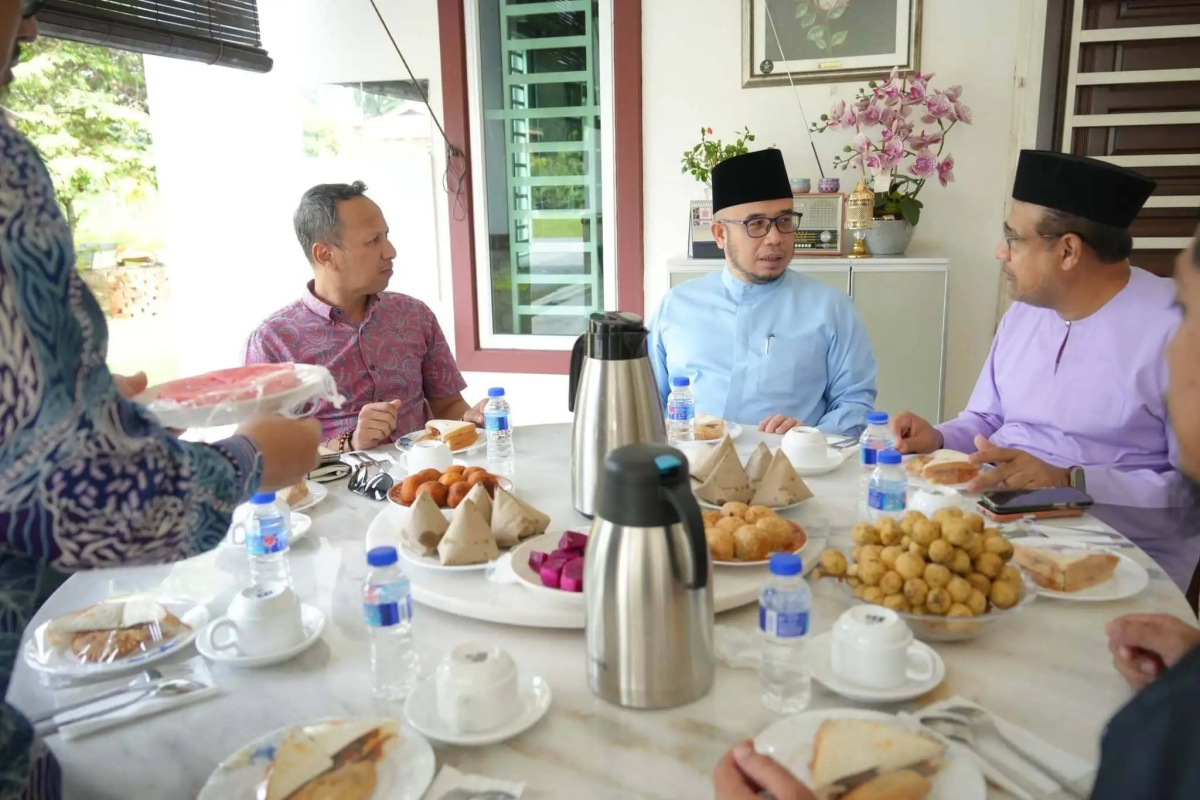
Philip Morris Malaysia Again Meets Religious Authority Over Cigarette Alternatives as Perlis Mufti Responds on Halal Criteria
Philip Morris Malaysia Managing Director Naeem Shahab Khan met Perlis Mufti Mohd Asri Zainul Abidin on September 17 and presented the company's shift from conventional cigarettes toward alternative products. The mufti said a product could be considered halal if it is clean, its side effects are not harmful or can be controlled, and it does not involve excessive waste. His remarks did not mention IQOS or any other specific PMI product and did not amount to a new product-specific religious ruling. It was at least the second publicly reported engagement between Philip Morris Malaysia and a Malaysian religious institution over cigarette alternatives within six months.
Regulations
Sep.18 by 2Firsts Perspectives
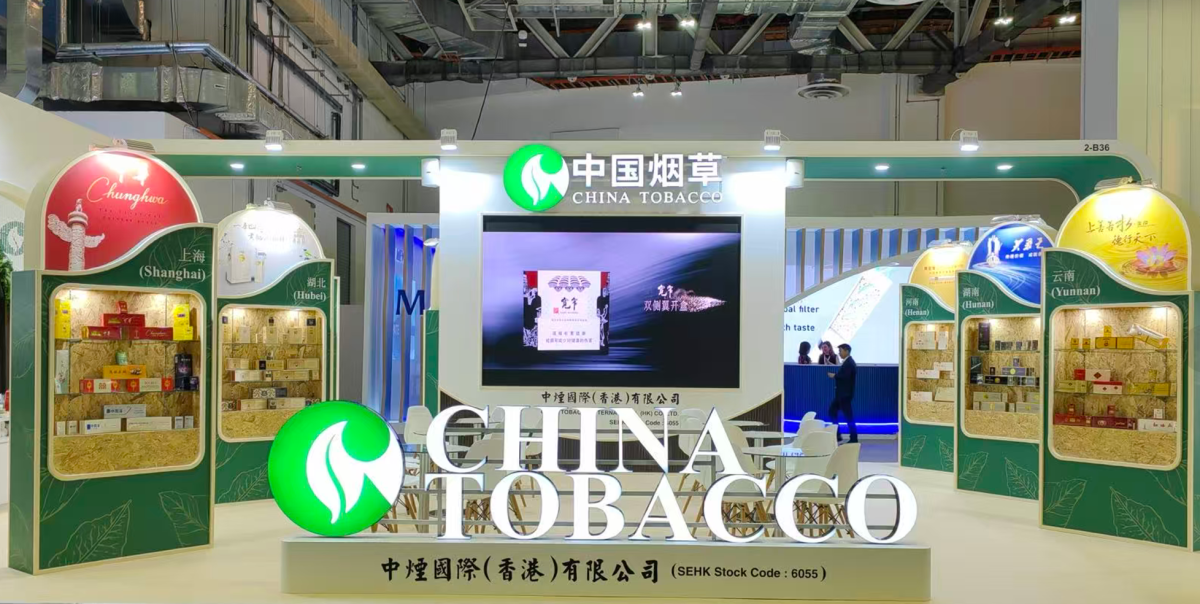
Earnings Analysis | CTIHK H1 2026 Revenue Falls 26.9% as Core Businesses Diverge and New Growth Drivers Remain to Be Proven
China Tobacco International (HK) reported a 26.9% revenue decline in H1 2026, while gross profit fell only 9.5%, revealing sharp divergence across its businesses. Tobacco leaf imports contracted, while leaf exports and Brazil operations expanded strongly. Cigarette exports faced China duty-free market transition, and new tobacco products remained small. Meanwhile, CTIHK continues to strengthen its role as an investment and financing platform, though major external deals have yet to emerge. 2Firsts examines what these shifts mean for its next growth drivers.
Capital Markets
Aug.24
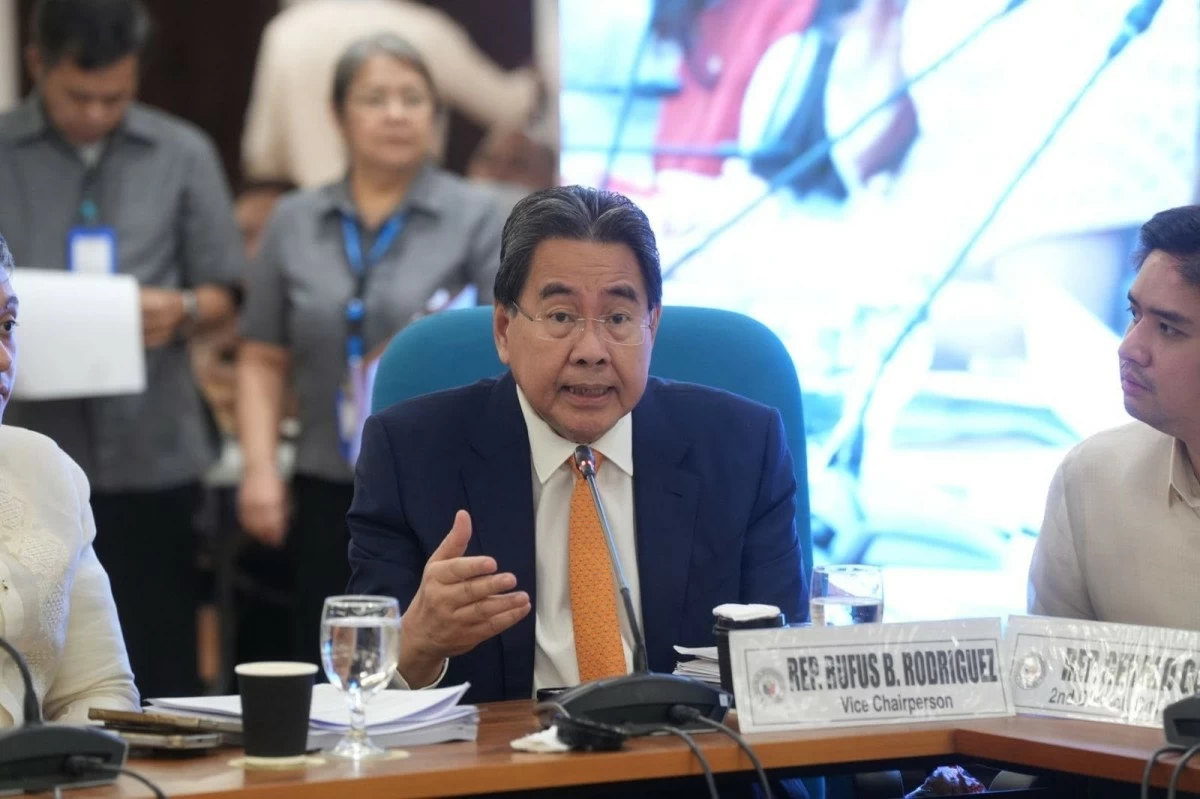
Philippines Weighs Unified Vape Tax as Lawmakers Back Risk-Based Rates and Government Seeks to Fill ₱66 Billion Revenue Gap
Philippine lawmakers are considering an overhaul of the country's vape excise-tax regime to eliminate the wide gap between taxes on nicotine salt and freebase nicotine liquids and reduce incentives for misdeclaration. House Bill 5364, filed by Rep. Rufus Rodriguez and Rep. Maximo Rodriguez Jr., would impose a unified ₱10-per-milliliter tax on vapor products, with 5% annual increases beginning in 2027. Rodriguez says the proposal could generate an average ₱6 billion in annual collections from 2027 through 2030. The debate comes as the Philippine government considers tobacco, vape and other health-tax reforms to help offset around ₱66 billion in revenue expected to be forgone under a proposed tax-relief package.
Aug.18